
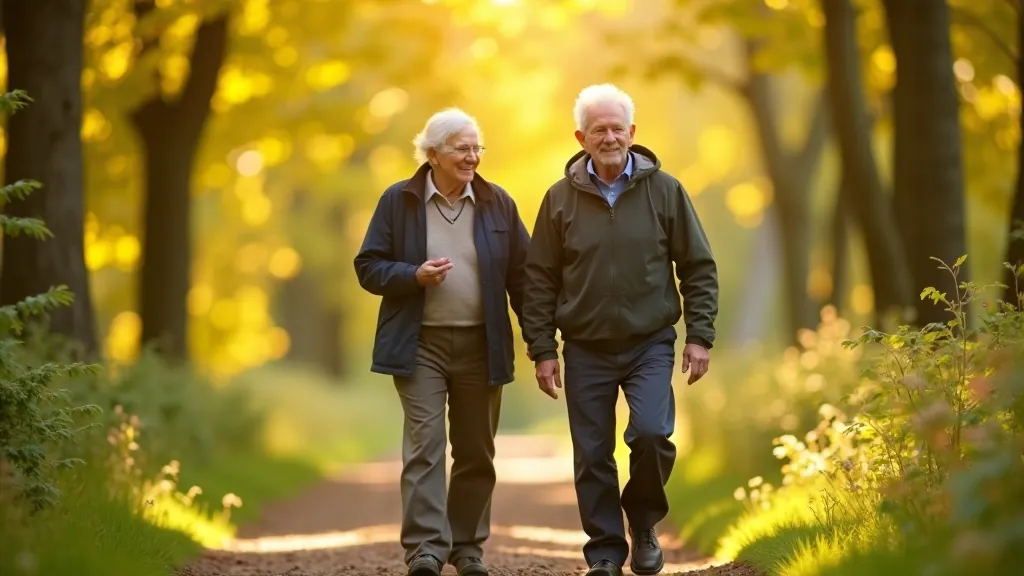
Marlay Park Loop: A Gentle Introduction
Easy 3km circular route perfect for beginners. Flat terrain with plenty of benches, parking, and café facilities. Ideal for your first outdoor walk.
A detailed walkthrough of the most popular forest trail. Learn about terrain difficulty, duration, and what wildlife you might see.
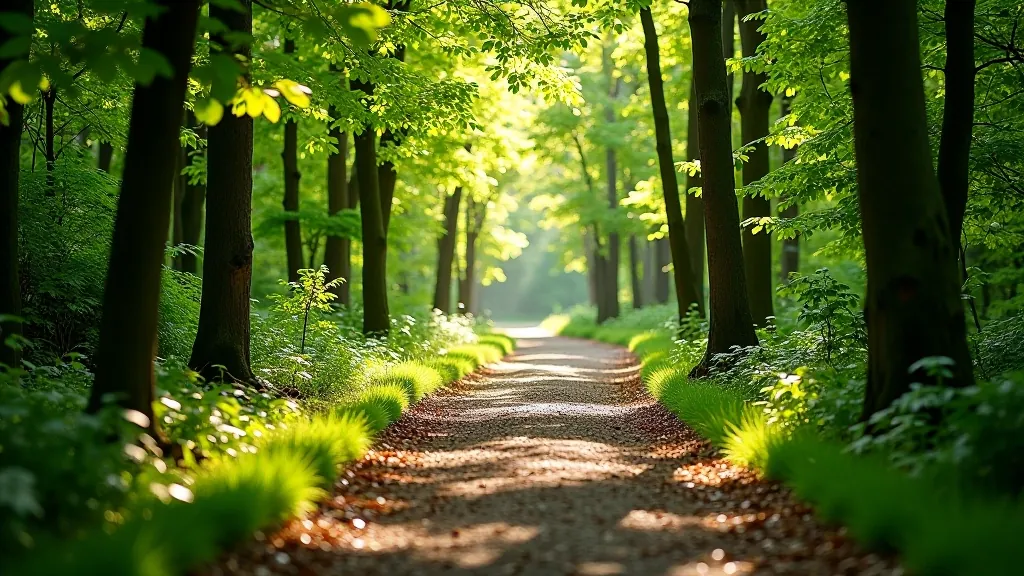

You're thinking about exploring Kilmashogue Forest but aren't sure what to expect. That's completely normal — and honestly, it's smart to do your homework first. We've helped hundreds of people make their first visit here, and we've learned what actually matters.
Kilmashogue isn't like Marlay Park. It's proper woodland with elevation changes, tree cover, and that real forest feel. But don't let that intimidate you. The main trail is well-marked, the surface is solid, and you'll see other walkers year-round. Most people spend between 45 minutes to 90 minutes here depending on pace and how many stops they take.
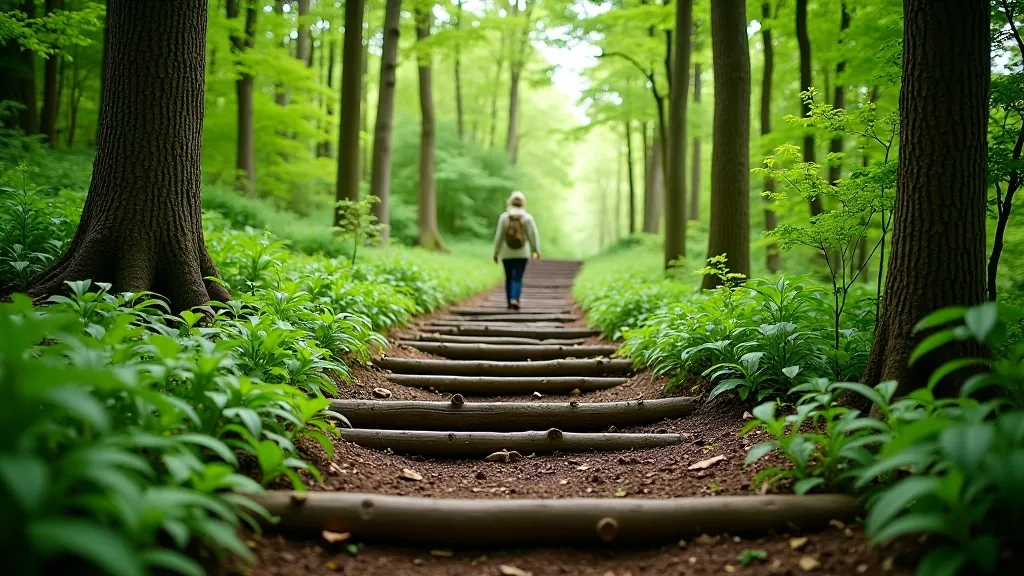
The trail starts gently. You'll begin on a wide gravel path that slopes upward gradually — nothing steep. Most people find this opening section easy. The real climb comes in the first 15–20 minutes when you reach what locals call "the steps." Don't panic. They're not concrete steps but rather a series of packed earth sections with wooden logs placed for grip.
Once you've climbed those, you'll find yourself at the highest point of the loop. The path levels off significantly here, and the second half of the walk is mostly flat or gently downhill. We've found that most walkers struggle with the climb up but enjoy the descent back down.
The surface throughout is solid — no mud if it's been dry for a few days. After heavy rain, it'll be damp but still manageable. Wear shoes with decent traction. Trainers are fine; you don't need hiking boots.
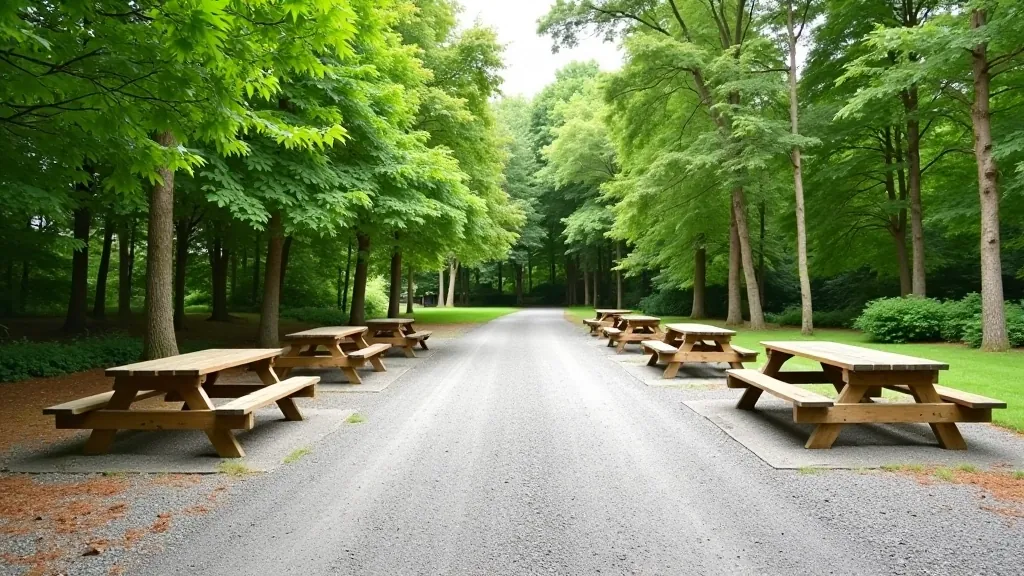
There's a small car park at the entrance. It holds about 20 cars — not huge, but it's rarely full outside of weekends. There's no charge. If you're coming on a Saturday afternoon, arrive early or go on a weekday instead.
Inside the forest, you'll find benches at regular intervals. There are three main rest points: one near the bottom of the climb, one at the top, and one on the downhill section. They're simple wooden benches without backs, but they're solid and well-maintained. Bring your own water — there's no fountain at Kilmashogue. Many people carry a small bottle or a hydration pack.
There's a small shelter near the car park if weather turns bad mid-walk. It won't keep you completely dry but it'll break the wind. Mobile signal is spotty but generally adequate if you need to call someone.
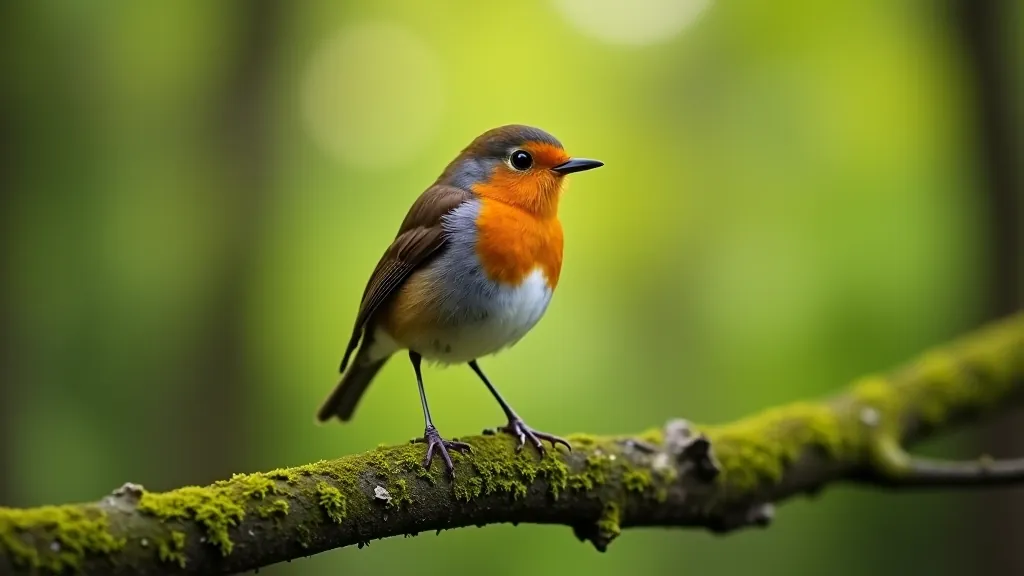
You won't see exotic animals here. This is Dublin woodland, not a safari. But you'll definitely see birds — lots of them. Robins, wrens, and various tit species are common year-round. In spring and summer, you'll hear more birdsong, which is one of the best parts of walking here. Squirrels are everywhere if you look up into the canopy.
Badgers live in the forest but you're unlikely to see them during the day. Rabbits and foxes are present but shy. The forest floor is home to insects, spiders, and small creatures, but nothing that'll bother you on the trail.
Bring a camera or binoculars if you're interested in birdwatching. Many walkers find that stopping for five minutes to sit quietly on a bench rewards them with unexpected wildlife moments. That's part of what makes this place special — it feels remote even though you're close to the city.
The main loop is clearly marked with yellow arrows painted on trees. It's genuinely hard to get lost. But bring your phone anyway — you'll want photos.
Spring (April–May) is stunning with fresh growth and birdsong. Autumn (September–October) offers clear days and cooler temperatures. Avoid late afternoon in winter — light fades quickly.
Layers are key. The forest is cooler than open parks. Wear trainers with good grip, not flip-flops. A light rain jacket is sensible — the canopy offers some shelter but not complete cover.
Bring water. A small bottle is enough for this route. If you're hungry afterward, there's a café near the car park or grab something before you come.
Take it slow on the climb. It's not a race. Most people find it easier to rest for a few minutes at the top than to rush through. Your body will thank you.
The trail is safe, but watch your footing on loose gravel. Roots can catch you by surprise. If you have balance concerns, use trekking poles — many walkers do.
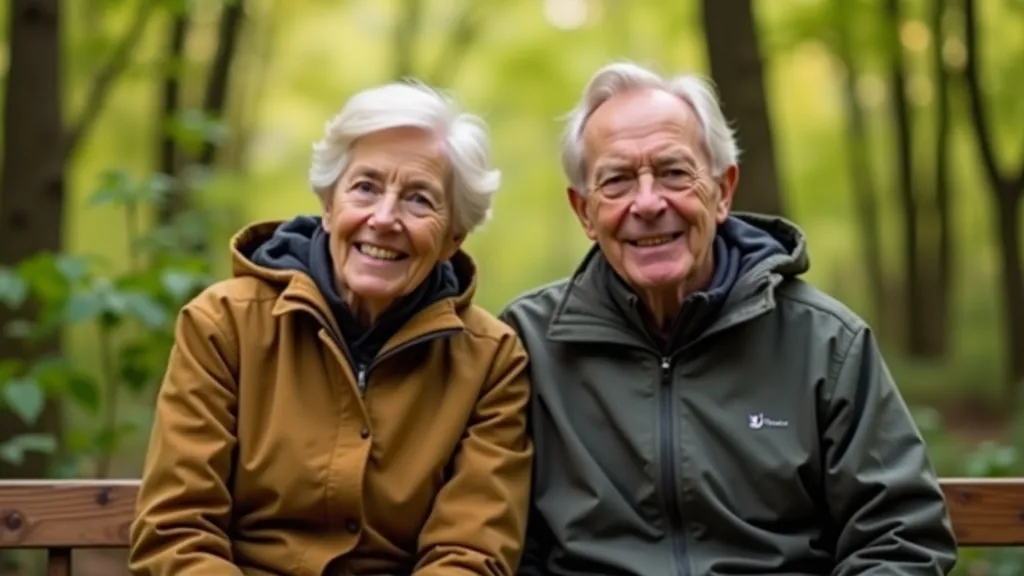
Here's what you won't find at Kilmashogue: crowds, noise, or concrete. What you will find is quiet. Real quiet. The kind where you hear your own footsteps and birds singing without traffic in the background.
People come back here because it feels different from other Dublin walks. It's more challenging than Marlay, but it's more rewarding too. You'll feel stronger after doing this walk. Not exhausted — stronger. There's a difference.
Most visitors say the same thing: they'll definitely come back. Some make it a regular thing. Once a week, twice a week, or just when they need to clear their head. That's the sign of a good walk.
This guide is informational and based on typical conditions at Kilmashogue Forest. Weather, maintenance, and trail conditions can change. Always check current conditions before visiting. If you have health concerns or mobility limitations, consult your GP before attempting this route. The forest authority may occasionally close sections for maintenance — check local notices before your visit. This information is accurate as of May 2026 but is not a substitute for official guidance from Dublin City Council Parks or local forest management authorities.
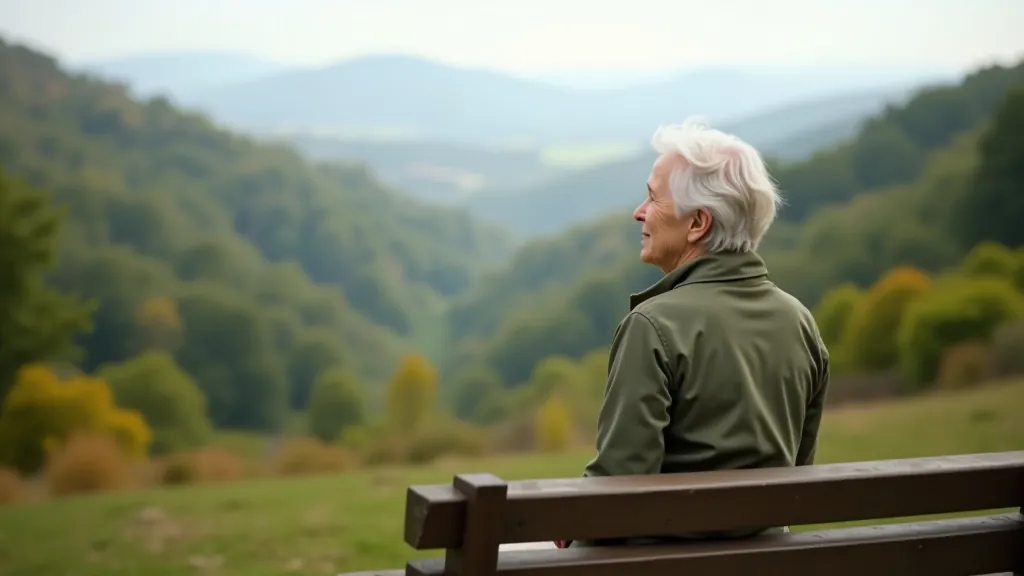

Your first visit to Kilmashogue Forest doesn't need to be daunting. You've got the information now. You know what to expect — the terrain, the facilities, the wildlife, and the pace that'll work for you. Thousands of people walk this trail every year. Most of them come back because it's genuinely a good walk.
Start early in the day, bring water, wear comfortable shoes with good grip, and take your time on the climb. Rest when you need to. Enjoy the quiet. Take some photos if the mood strikes. And give yourself credit when you reach the top — that's a real achievement.
See you on the trail.